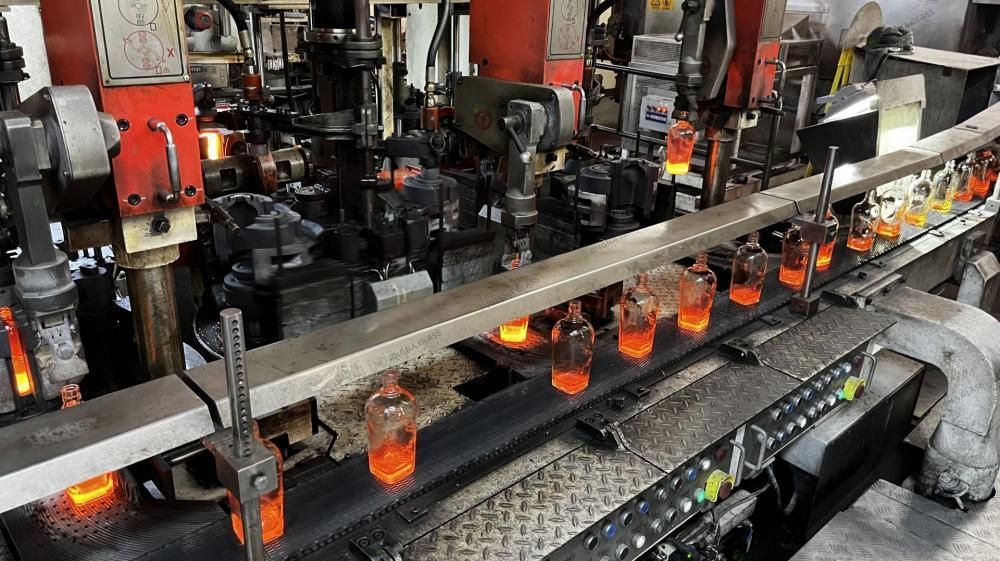
The quality of glass bottles hinges on the selection and processing of raw materials. This is also the first step for different manufacturers to differentiate their manufacturing processes. The core raw materials of glass bottles are quartz sand, soda ash and limestone. Different manufacturers will adjust the proportion of these raw materials according to the characteristics of their products and market demands. For glass bottles used in food packaging, manufacturers will increase the purity ratio of raw materials. For glass bottles used in industrial applications, manufacturers will focus on the hardness and corrosion resistance of the raw materials.
The technical differences in the raw material pretreatment stage will also affect the quality of the final product. Some manufacturers will introduce advanced crushing, drying and iron removal technologies. Fine crushing can make the raw material particles more uniform and enhance the stability of glass during melting. Drying treatment can remove moisture from raw materials and prevent the formation of bubbles during the melting process. Iron removal technology can eliminate iron impurities from raw materials and prevent the appearance of discolored spots on the finished glass products.
The input in the raw material stage is directly related to the basic quality of glass bottles. Manufacturers that pay close attention to the control of raw materials produce glass products that not only have a smooth appearance but also better meet special usage requirements such as acid and alkali resistance. For customers, understanding the raw material processing technology of the manufacturer is an important prerequisite for choosing the right glass bottle products.