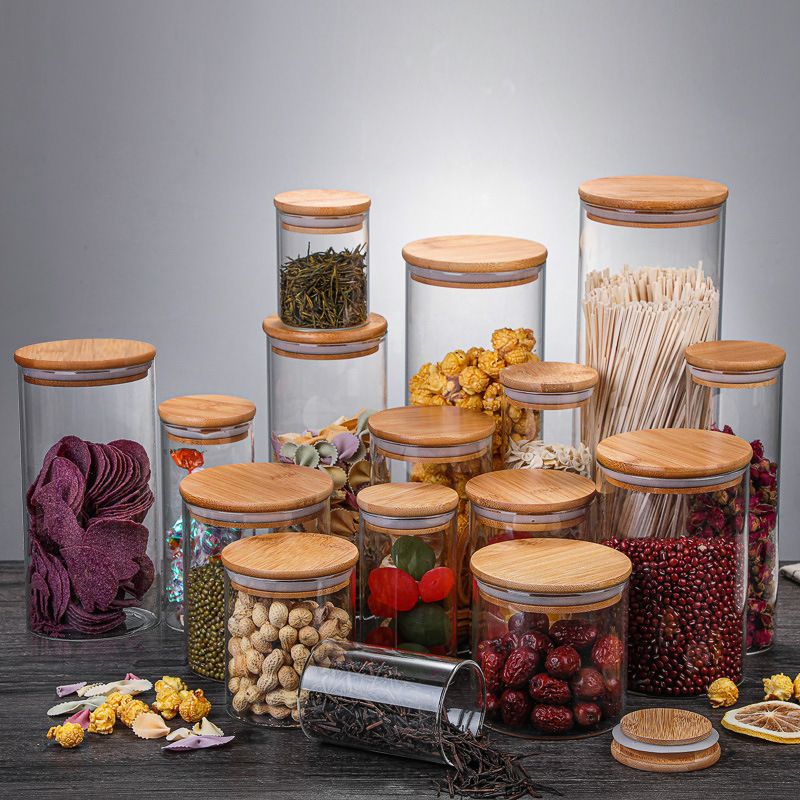
High Borosilicate Glass, also known as "3.3 borosilicate glass ", is a special type of glass with silicon dioxide (SiO₂) and boron oxide (B₂O₃) as its basic framework. According to the common formula in the industry, its silicon dioxide content is approximately 78% to 80%, and the boron oxide content is about 12.5% to 13.5%. It is precisely because of the "high borosilicate content" that it is named "high borosilicate".
The most crucial property of high borosilicate is its extremely low coefficient of thermal expansion - approximately 3.3×10⁻⁶/℃, which is only about one-third of that of ordinary soda-lime glass. The smaller the thermal expansion and contraction, the less stress is generated inside the glass when there is a sudden temperature change. Therefore, it can withstand a sudden temperature difference of 120℃ to 180℃ without cracking. Whether boiling water is directly poured into a bottle or a hot drink is immediately poured in after it has been chilled, it remains unharmed. This is precisely why it is called "heat-resistant glass".
The second advantage is chemical stability. High borosilicate is resistant to acid, alkali and water erosion. Even when in long-term contact with fruit juice, vinegar, coffee and even acidic or alkaline contents, it hardly releases metal ions and meets the packaging standards of the pharmaceutical grade (USP type I glass). It is a "reliable choice" for medicine bottles, health product bottles and high-end beverage bottles.
In addition, it has a relatively low density (about 2.23g/cm³), high light transmittance and good mechanical strength. The bottle is lighter with the same capacity. Its high light transmittance makes the contents clearly visible, making it very suitable for the display of high-end cosmetics and craft beverages.
Of course, the other side of performance is cost. High borosilicate has a higher melting temperature, more expensive raw materials and more sophisticated forming processes, and its unit price is usually significantly higher than that of soda-lime glass. For this reason, it rarely appears on cheap fast-moving consumer goods and is more often used in scenarios where safety, quality and brand image are required.
In a nutshell: High borosilicate glass is not "more expensive ordinary glass", but has redefined the upper limit of glass bottles and jars with its performance. For brands pursuing product differentiation, it is both a functional upgrade and a visible quality label.