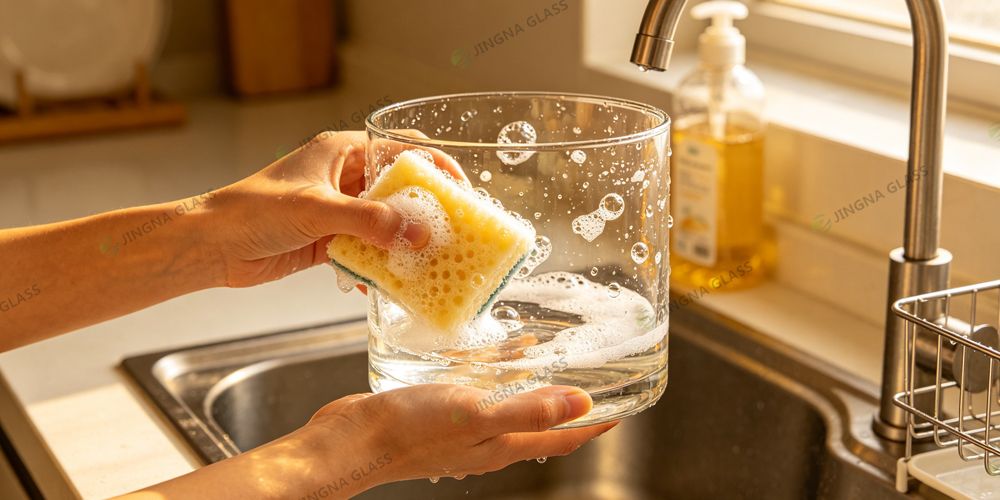
In daily life, glass bottles, with their advantages of being safe, odorless and having excellent sealing properties, have become the preferred containers for storing honey, sauces, alcoholic beverages, pickles and other foods. However, the quality of glass bottles on the market varies greatly. Inferior products are not only prone to breakage but may also release harmful substances, posing a threat to health. It is very necessary to master the correct purchasing method.
When choosing food-grade glass bottles, the first thing to do is to check the product label. Regular glass bottles will be marked with the execution standard, material and application scope. Food-specific glass is mostly high borosilicate glass or soda-lime food-grade glass. Do not purchase unbranded or unmarked "three-no" products under any circumstances. Secondly, you can observe the appearance of the bottle. High-quality glass bottles are transparent throughout, with uniform color, consistent thickness of the bottle walls, and no bubbles, black spots, impurities or obvious scratches inside. If the bottle is covered with bubbles and uneven, it indicates a rough production process and poor pressure resistance, making it very likely to crack during use.
At the same time, the material can be identified by listening to the sound. Gently tap the bottle, and high-quality glass will produce a clear and pleasant sound. Glass that makes a dull and turbid sound is of poor quality. The matching bottle caps should not be overlooked either. When choosing, repeatedly twist the bottle caps to check if the threads are smooth, without any stripped threads or skewing. The rubber rings of the bottle caps should be intact and elastic. This is the key to ensuring the sealing effect.
Finally, select the style based on the usage scenario. For long-term storage of high-temperature and high-acid foods, give priority to choosing high borosilicate heat-resistant glass bottles. For ordinary refrigeration of food ingredients, regular food-grade glass bottles are sufficient. Do not be tempted by low prices to choose overly brightly colored painted glass bottles. The pigments on such bottles may contain heavy metals, and long-term contact with food poses safety risks. Choosing the right glass bottle ensures the safe storage of all kinds of food ingredients.